
Perspectives — FOCAL Craft Point of View on Commercial Environments

Perspectives

A point of view
on the built
environment.

Commercial environments shape how people work, shop, learn and move through the world. The decisions behind them, from design and material to process and investment, deserve more than a specification sheet.

These are our perspectives. Considered, direct, and grounded in two decades of delivering environments across the GCC and beyond.

No. 01The Built Environment
No. 02Workplace
No. 03Retail
No. 04Process
No. 01The Built Environment

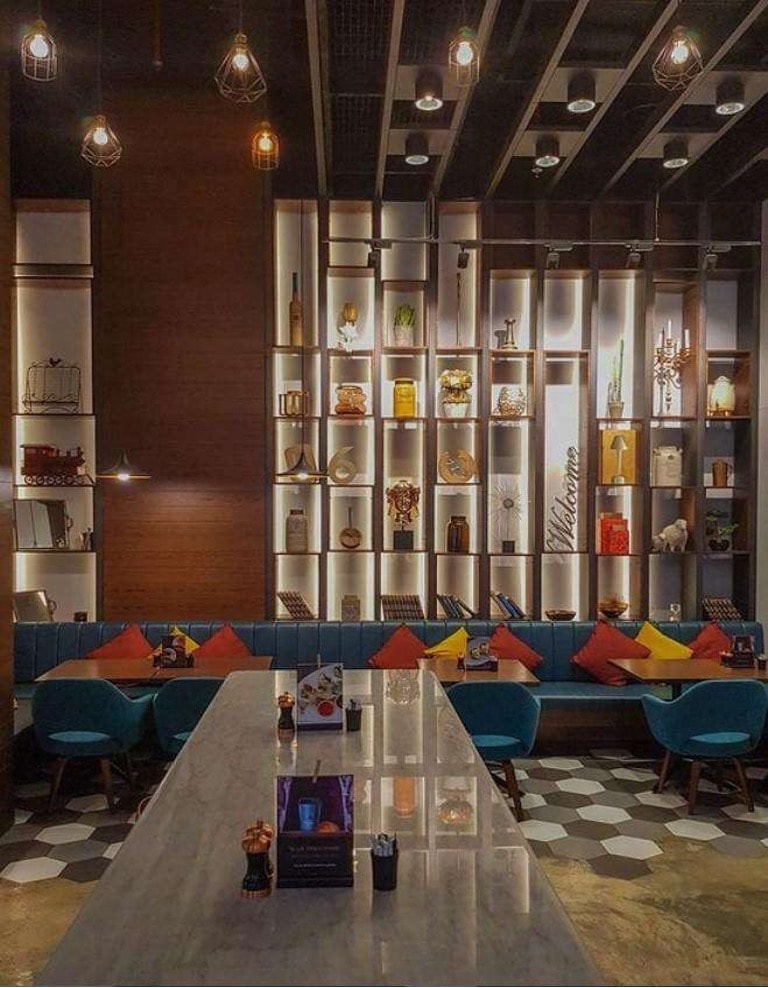
The Environment Is the Message.

Why the physical space a business occupies is now its most powerful brand statement.

Customers no longer separate the product from the place. The environment is the argument.

For decades, commercial interiors were treated as a backdrop — functional, forgettable, and largely invisible to the customer. That era is over. In a market where product parity is the norm and digital channels have commoditised discovery, the physical environment has become the primary differentiator. The businesses that understand this are not decorating their spaces. They are engineering them.

Every material choice, every sightline, every transition between zones communicates something about the organisation behind it. Precision joinery signals craft. Considered lighting signals intent. Spatial generosity signals confidence. These are not aesthetic decisions. They are strategic ones that compound over time in ways that advertising cannot replicate.

The Environment Is the Message.
The Office Is Not Dead. The Mediocre Office Is.
No. 02

Workplace

The Office Is Not Dead. The Mediocre Office Is.

What the return-to-office debate gets wrong, and what high-performing organisations already know.

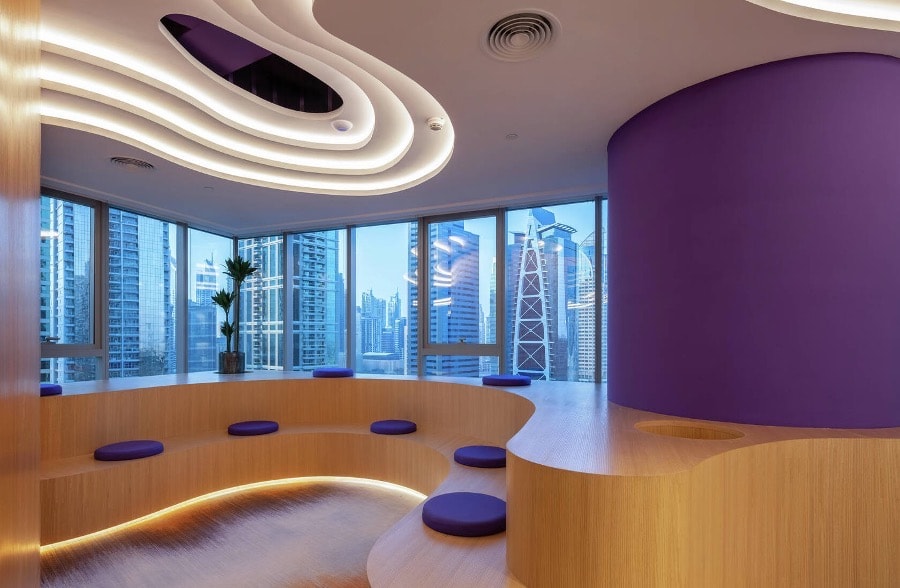
The question was never whether people would come back. It was whether the space was worth coming back to.

The organisations struggling most with occupancy are not those whose people prefer remote work. They are those whose offices were never designed to be worth the commute. Rows of identical desks, fluorescent ceilings, and meeting rooms that seat twelve but think for none. These environments do not compete with a well-designed home office. They never did.
Physical Retail Is Not Declining. It Is Separating.
No. 03

Retail

Physical Retail Is Not Declining. It Is Separating.

The gap between stores that perform and stores that merely exist has never been wider.

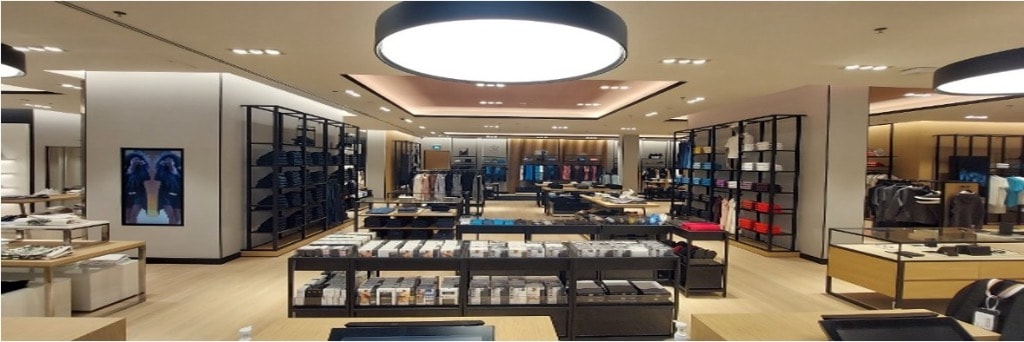
The stores closing are not losing to e-commerce. They are losing to irrelevance.

Retail footfall data tells a more nuanced story than the headlines suggest. Flagship stores in premium locations are reporting record dwell times. Experiential formats are outperforming transactional ones by a significant margin. The category is not shrinking. It is bifurcating. At one end, environments designed with precision and purpose. At the other, everything else.

Why Most Fitout Projects Fail Before They Begin.
No. 04

Process

Why Most Fitout Projects Fail Before They Begin.

The decisions made in the first four weeks determine the outcome of the next twelve months.

A brief that is vague at the start becomes a dispute at the end.

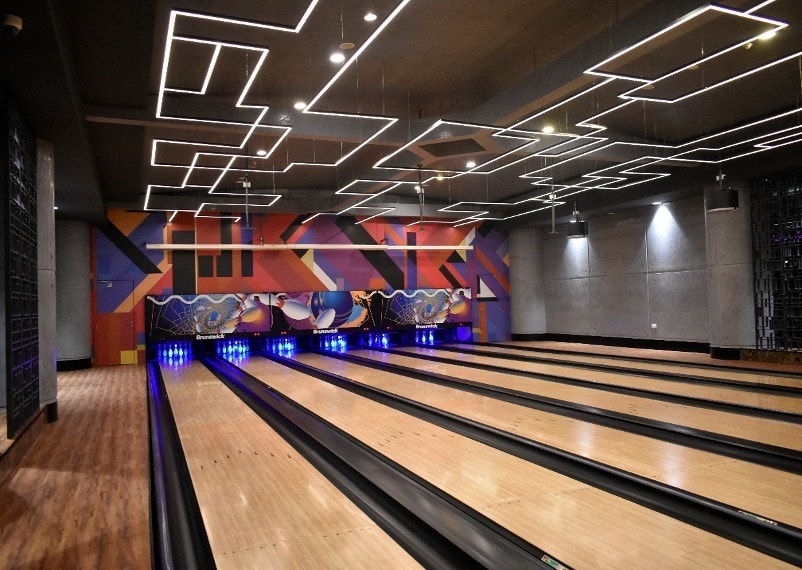
The most common cause of fitout project failure is not poor execution. It is poor definition. Scope that was never properly agreed. Finishes that were assumed rather than specified. Lead times that were optimistic rather than real. By the time these gaps surface on site, the cost of closing them has multiplied several times over.

Our Position

Environments that perform
are designed that way.

Every perspective here reflects a conviction we bring to every project: that the quality of a commercial environment is a direct result of the quality of the decisions made to create it. We build environments that perform because we think carefully about what performance means before we build anything.

Start a conversation